Lasting Impact
Legacy & InfluenceThe legacy of an artist is measured not only by the works they leave behind, but by the lives they shape, the places they transform, and the generations they inspire.
Everett DuPen’s impact extends far beyond the sculptures he created. Over nearly eight decades, he helped shape the artistic and cultural landscape of the Pacific Northwest through his work as a sculptor, educator, mentor, and steward of the human figure. His sculptures continue to inhabit public spaces, his teachings continue to influence artists, and his commitment to craftsmanship continues to resonate with those who encounter his work today.
Rather than defining his legacy through a single masterpiece or moment, DuPen’s contribution is best understood through the many ways his life intersected with others. His influence can be seen in the cities he helped shape, the artists he mentored, the students he challenged, and the enduring body of work that continues to invite reflection decades after it was created.
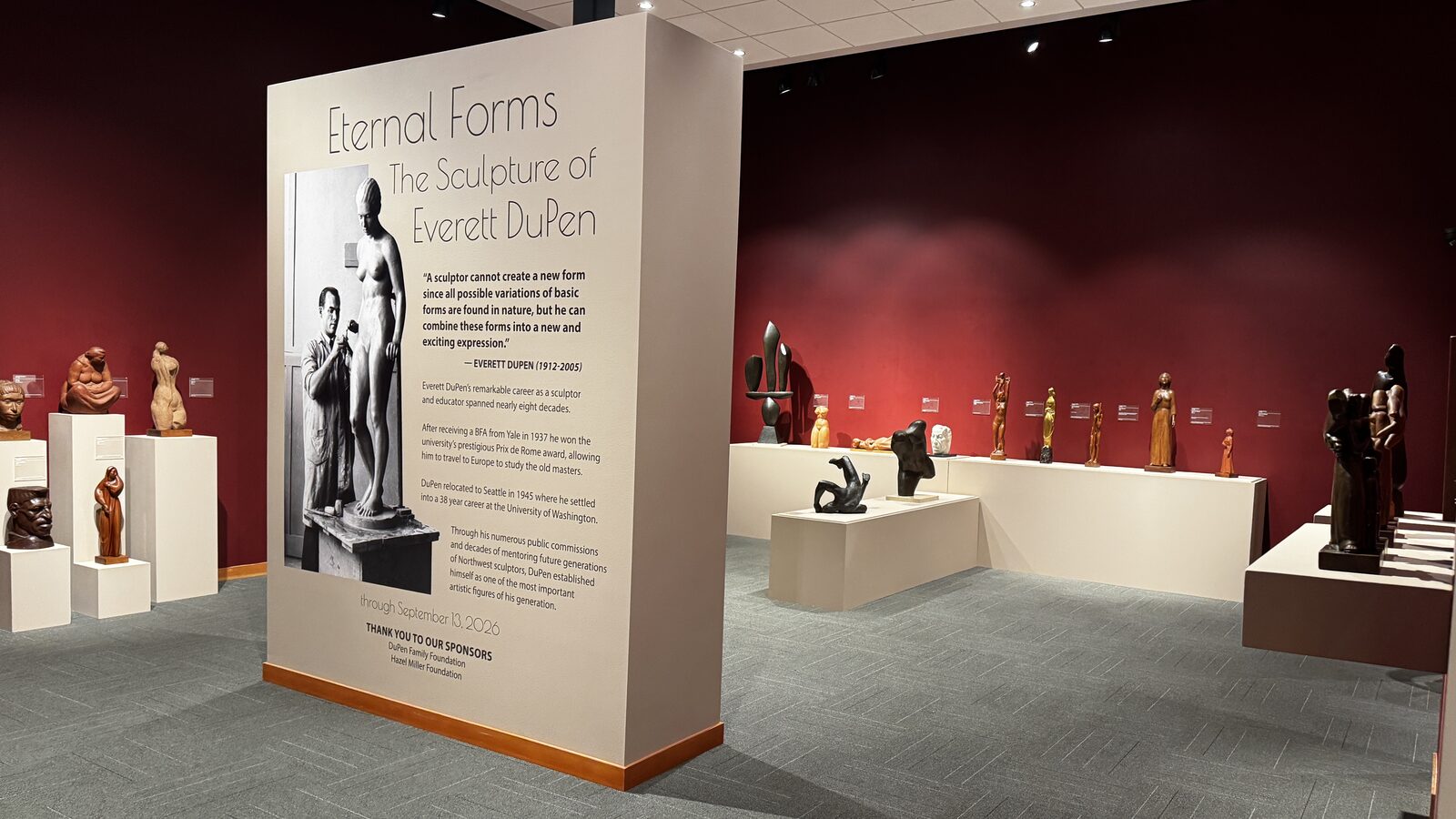
Shaping Public Spaces
Everett DuPen believed sculpture belonged in everyday life. It was not something reserved exclusively for museums or galleries, but something capable of enriching the places where people gathered, worked, worshipped, and celebrated.
Throughout his career he created fountains, monuments, architectural commissions, sacred works, and civic sculptures that became part of the shared experience of communities across the Pacific Northwest.
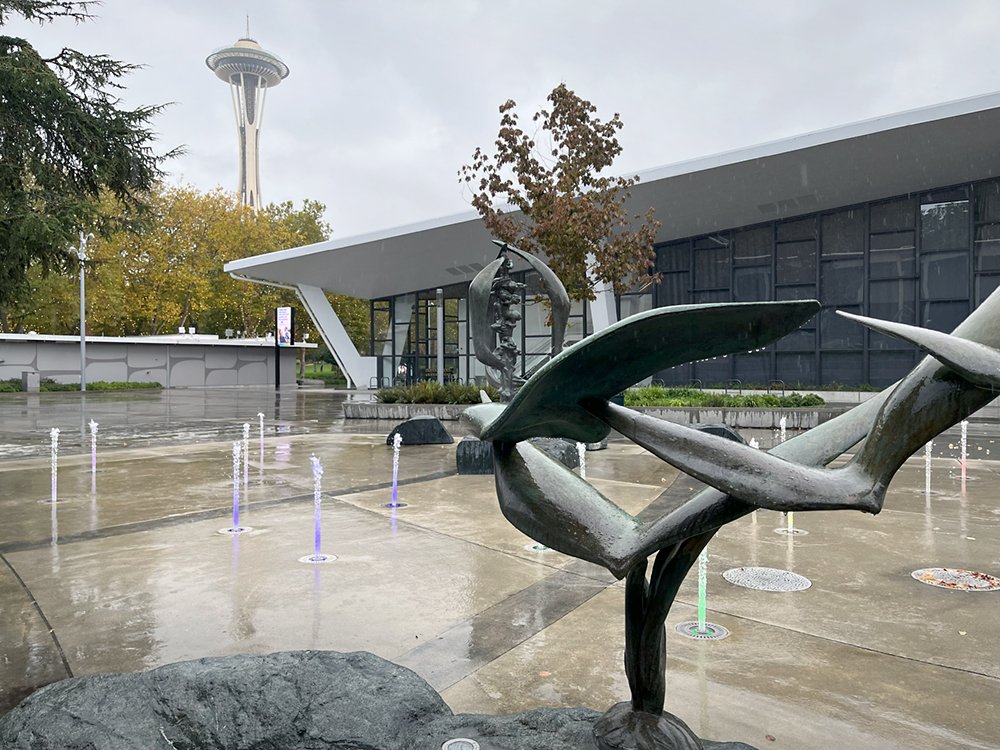
Perhaps nowhere is this more evident than in the Fountain of Creation at Seattle Center. Created for the 1962 Seattle World’s Fair, the fountain has remained part of Seattle’s civic identity for more than six decades. Generations of families have played around it, paused beside it, and experienced it as part of the city’s cultural landscape. Through restoration and renewed appreciation, the fountain continues to connect today’s visitors with the optimism and artistic ambition that defined the World’s Fair.
Whether installed in a cathedral, university, government building, or public plaza, DuPen’s sculptures were created with the belief that art has the power to elevate everyday experience. His work continues to shape not only physical spaces, but the memories people form within them.
Shaping Artists
For nearly four decades, Everett DuPen taught sculpture at the University of Washington, helping build one of the Pacific Northwest’s most respected sculpture programs. His classroom became a place where technical excellence, careful observation, and artistic integrity were expected in equal measure.
Students remember him as a demanding but deeply generous teacher—someone who insisted that craftsmanship and expression could never be separated. He believed that understanding the human figure required more than observation; it required empathy, discipline, and a lifelong commitment to learning.
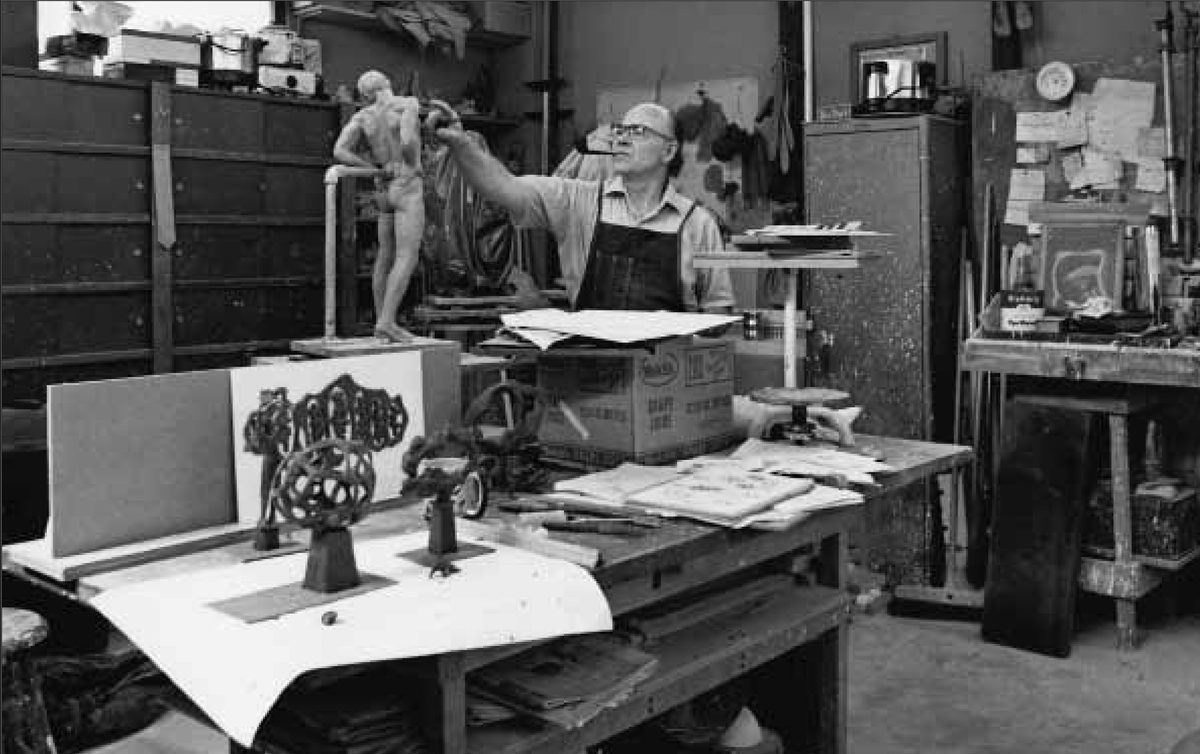
The impact of that philosophy extended far beyond the university. Thousands of students passed through his studio over nearly forty years. Many became artists, educators, architects, designers, and creative professionals who carried his influence into their own work and communities.
Museum and exhibition sources have also identified DuPen as a teacher and mentor whose influence reached artists who would later help define the Pacific Northwest’s creative identity, including glass artist Dale Chihuly and sculptor Georgia Gerber. While each developed a distinct artistic voice, they emerged from an environment that DuPen helped cultivate—one rooted in rigorous craftsmanship, curiosity, and a deep respect for material.
His greatest legacy may not be measured solely by the sculptures he created, but by the generations of artists whose own work was shaped by his guidance, encouragement, and example.
Preserving the Human Figure
Throughout the twentieth century, artistic movements shifted dramatically. Abstraction, minimalism, conceptual art, and new media transformed the language of contemporary art. Everett DuPen chose a different path.
He remained deeply committed to the expressive possibilities of the human figure—not as an exercise in realism, but as a timeless language capable of communicating movement, emotion, dignity, vulnerability, and spirit.
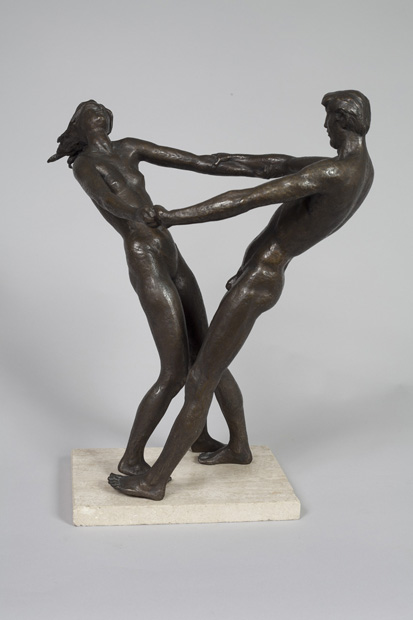
His work reflects an extraordinary understanding of anatomy developed through years of study, observation, and practice. Yet technical mastery was never the destination. It became the foundation from which he could simplify, abstract, and distill the human experience into forms that feel both classical and unmistakably modern.
Across bronze, wood, stone, terra cotta, and plaster, DuPen returned again and again to the body as a source of meaning. His sculptures remind us that despite changing artistic movements, the human figure remains one of our most powerful ways of understanding ourselves.
Mastering the Craft
Few sculptors work comfortably across so many materials. Throughout his career, Everett DuPen created works in bronze, wood, stone, terra cotta, plaster, and drawing. Each medium demanded different techniques, different tools, and different ways of thinking, yet his artistic voice remained remarkably consistent.
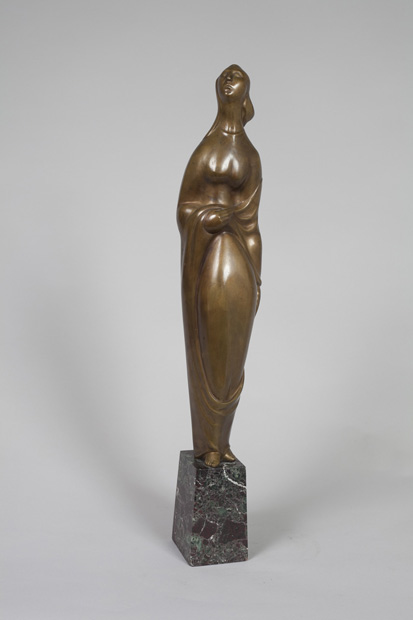
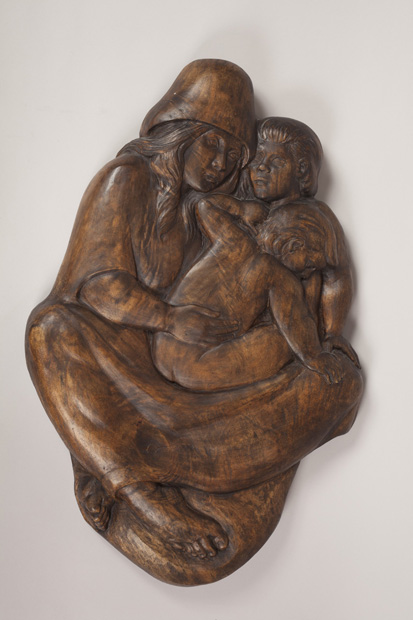
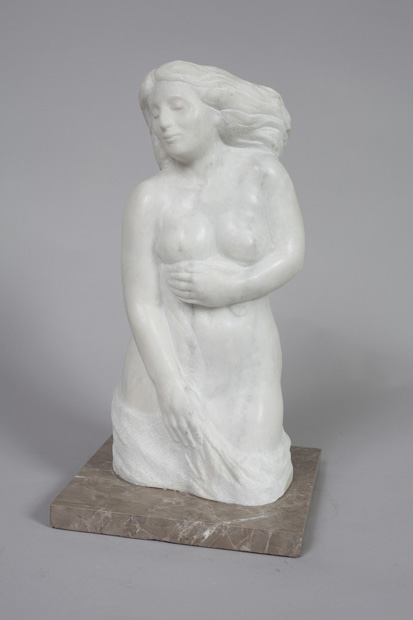
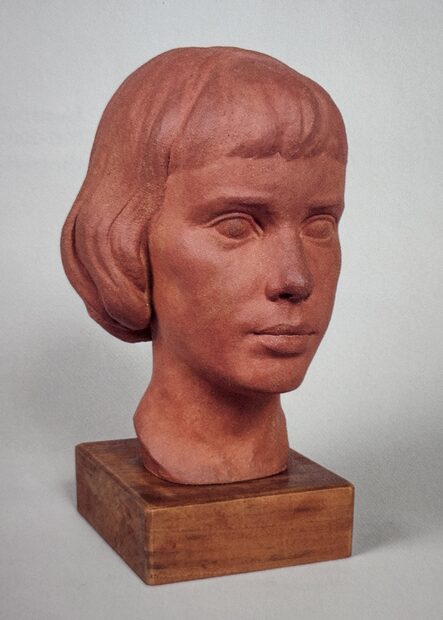
His sculptures reveal a lifelong commitment to craftsmanship—not as an end in itself, but as a way of honoring both material and subject. Whether carving directly into wood, modeling clay for bronze casting, or shaping stone, DuPen approached every material with patience, respect, and an understanding that the process of making was inseparable from the finished work.
His example reminds us that mastery is not achieved through shortcuts, but through decades of careful practice, continual curiosity, and unwavering dedication to one’s craft.
Building a Cultural Legacy
The true measure of an artist’s contribution is rarely confined to exhibitions or awards. It is found in the public spaces people continue to gather in. In the students who become teachers themselves. In the artists whose own work carries forward lessons learned decades earlier. In the communities whose cultural identity is enriched by art that quietly becomes part of everyday life. And it is found in the willingness of future generations to preserve, study, and rediscover that work.
Today, Everett DuPen’s legacy continues through museum exhibitions, scholarly research, documentary films, restoration projects, public art conservation, and the renewed interest of historians, curators, collectors, students, and visitors seeking to better understand the artistic history of the Pacific Northwest.
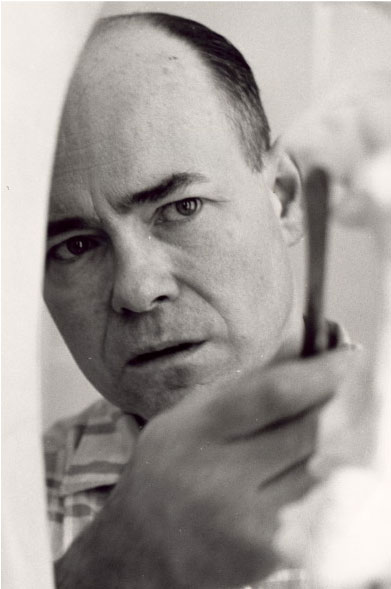
This website is part of that continuing legacy. It exists not simply to preserve a record of Everett DuPen’s work, but to celebrate the many ways his life continues to shape artists, enrich communities, and inspire those who encounter his sculpture for the first time.
His sculptures remain. His lessons endure. And through the people, places, and lives he touched, Everett DuPen’s impact continues to unfold.